Pay out globally and facilitate multi-party payments
Platform
Let customers accept payments within your platform
Our Mission
To train aspiring filmmakers in the craft from development through post production so students are not reliant on others to push their film careers forward. We do this without the financial weight of traditional film school and our training is backed by a guarantee that is unmatched in the film education space!
Theme is literally the most important part about any film. It's not about the romance. The comedy. The action or the scare. All of these things are crucial, but left without theme they'll quickly fade into a story nobody remembers.
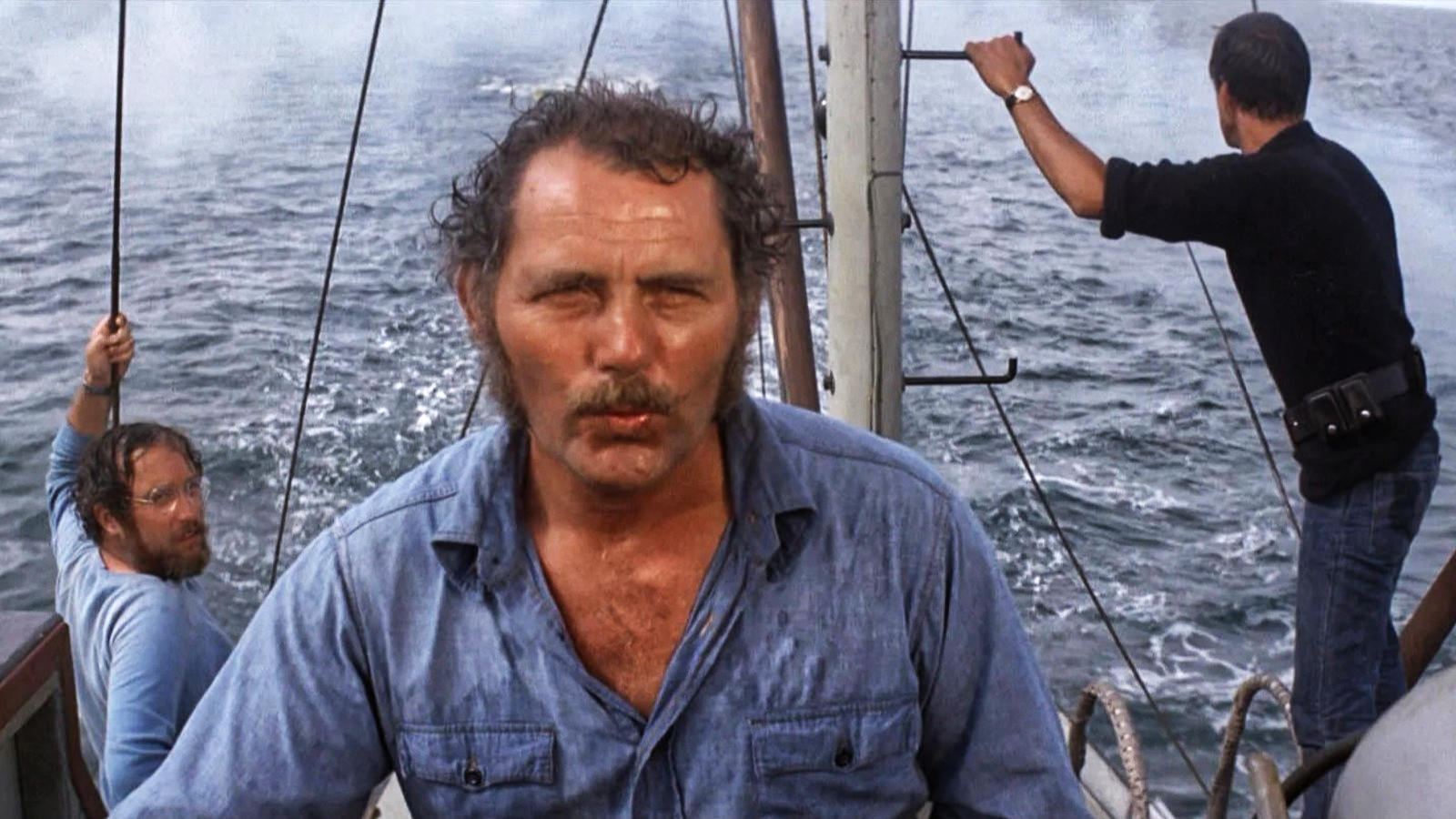
Theme is everything. I know that sounds heavy, but don’t let it intimidate you. Let it empower you. Let’s go to a favorite film: JAWS. I reference the film in school all the time, because almost every lesson you need about story is sitting right there in that one movie.
The Hero’s Flaw
Chief Brody is a good husband. A good father. A good sheriff. But he has a flaw, and his flaw costs people their lives. What’s the flaw? Fear. A fear of man.
The second the mayor or the townspeople push back, Brody caves. Think about it — all he had to do was keep the beaches closed. Roll credits. But his flaw handed the antagonist power. It cracked the door open and let the shark in.
Plot Serves Theme
The theme of JAWS is conquering a fear of others. Refusing to let other people control you. Chief Brody had believed a lie that others had a right to push him around. All he had to do was believe the truth.
How do we get our hero to believe the truth? Pressure. Obstacles. Plot.
Plot always serves two purposes:
To entertain. That is the #1 job of everything in a movie — always.
To serve theme. Plot is what forces the hero down the road toward change.
At the midpoint of a film, the antagonist hits harder than they have the entire movie. And here’s the trick: the blow usually doesn’t land on the hero. It lands on somebody close to them. This single moment is what finally wakes the hero up to their flaw. Right after the midpoint, they take their first real step toward change.
The Midpoint Change
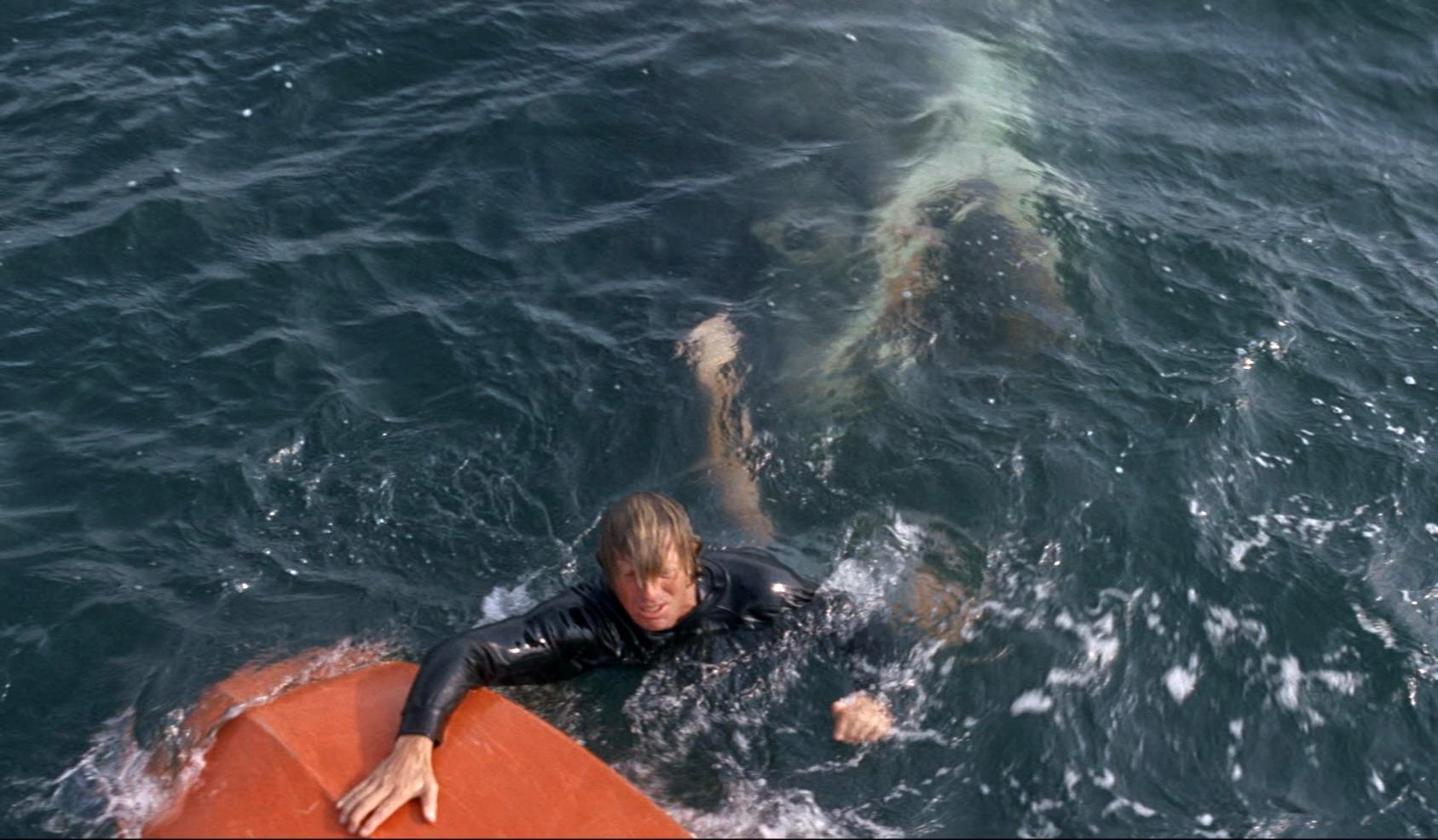
The midpoint of JAWS is the pond attack. The “grandma” lake. It’s our first clean look at the shark, and it’s terrifying. But more important? Chief Brody’s son was there. The shark glides past him. And that’s the moment Chief Brody snaps out of it.
Moments later at the hospital, he pulls the Mayor aside and tells him how things are going to go now. From there, the rest of the film is Brody taking the journey towards real change. Next it’s Quint he must stand up to. Then water. Then a shark.
What About The 4 Corners?
Some will talk about the four corners. In its simplest form, that’s just various characters holding their own flawed version of the truth. Quint isn’t the Mayor — he’s the other extreme. So arrogant about killing that shark he destroys his own boat’s radio. That’s one corner. Brody’s wife wants to pack up and move back to New York right after the midpoint. Another corner — she’s trying to get Brody to run from his flaw instead of facing it. But not every film needs four corners of opposition. Avoid formulas.
Plot Mirrors Theme
One last thing: plot and theme should mirror each other. There’s a great book called The Moral Premise that digs into exactly this.
In JAWS, an island town is held captive by a man-eating shark (plot) — just like the town’s sheriff is held captive by a fear of man (theme). Kill the fear of man, and he can finally beat the shark. In Die Hard, John McClane dies hard against thieves while proving his love for his wife also dies hard.
So theme, in its simplest form, comes down to this: the hero has a flaw, and most of the time that flaw is the result of believing a lie. The only thing that will fix every problem in the movie is the hero finally believing the truth. And a hero takes their first baby step towards change right after the antagonist hits hard at the midpoint of the film.
Do You Want To Direct?
We guide emerging filmmakers around the pitfalls of conventional film school. We teach you the craft and prepare you for what's next. All backed by the finest guarantee in the film education space.
Do you want to make movies?
We guide emerging filmmakers around the pitfalls of conventional film school. We empower them to master the craft and seize control of their filmmaking career.
There's nothing else quite like it. Enroll today or find out more below:



 SaaS
SaaS Manage recurring bills and subscriptions
 Marketplaces
 Platform