Deciding On An Idea Worth Shooting
At times we must set aside our “good” ideas fwhen we’re first starting out as filmmakers. Why?
Because we’re just not ready to do them justice. Or we don’t have the funding or audience.
Take Spielberg: JAWS put him on the map. However Schindler’s List was probably closer to his heart. But starting out with Schindler’s List just wasn’t possible for a brand new director. He executed on something like that when the time was right.
As new directors we must find stories that are actually worth telling — ideas worth shooting. But films we can execute on now vs wasting time chasing money and favors.
When you’re first starting out, your films will naturally serve as training grounds to sharpen your skills. But they should be about much more than just practice. A truly worthwhile idea demands a huge investment of time and energy, so it better be worth it.
In my opinion, two things make an idea worth shooting:
- It’s important to you.
- It’s marketable.
And here’s the part that might sound like heresy when you’re just beginning: #2 is actually more important than #1.
This isn’t selling out. It’s being smart. If you want to build any kind of success in the entertainment industry, you have to create things that audiences actually want to watch. As much as the pure artist in you might resist it, you need to think strategically.
We’ll dive deeper into that shortly.
First, here are the 4 crucial checkpoints every idea should pass before you commit to shooting it:
1. Is it Unique?
You might think your idea is fresh and original. Here’s the truth: it’s probably been done.
Pitch your best ideas to any seasoned studio executive and you’ll quickly realize how many similar concepts they’ve heard. That doesn’t mean you should give up. The key is to put your own unique spin on the concept. As Ron Howard says, great storytelling is about “combining something old with something new.”
Think about Avatar. At its core, it’s a retelling of The Last Samurai — James Cameron didn’t copy the story; he made it feel new.
The same goes for The Matrix. The idea of machines rising up against humanity? James Cameron already explored that in The Terminator (1984). Yet The Matrix felt revolutionary because of its unique creative spin.
Even The Batman (2022) with Robert Pattinson proved this. After Christopher Nolan’s iconic trilogy, who wanted another Batman movie? But the film carved out its own distinct voice and tone.
Your job isn’t to invent something that’s never been done. It’s to take something familiar and make it feel fresh through your perspective, style, or twist.
2. Do You Have the Budget?
Big studios can burn through insane amounts of money. A single prime lens on a studio production might cost more than all your gear combined. As independent filmmakers, we usually work with micro-budgets.
But here’s the good news: limitations breed creativity.
Your challenge is to develop an idea you can realistically execute with the resources you actually have. Live in the countryside? Use it. Is your dad a mechanic with a garage full of tools? Great. Use that. Do you have a little brother, a pet, or access to a unique location?
Don’t underestimate what’s already around you.
Build your story around what you can control, not what you wish you had.
3. Premise & Genre
Once you have a unique idea that fits your budget, you need to nail down a clear premise and anchor it in a specific genre.
Premise The premise is what your film is about on the surface level — it’s what sells tickets. It’s the simple, compelling logline that makes someone want to watch.
For example, the premise of Jurassic Park could be summed up as: “A scientist discovers how to bring dinosaurs back to life and opens an amusement park that turns into a deadly hunting ground.”
Sometimes your core idea is the premise. Other times, you start with a theme or message you want to explore, and you need a strong premise to carry it.
Example: Let’s say the theme important to you is “learning to trust those closest to you, even when it doesn’t make sense.” And your only resources are your house and your cat.
A simple, entertaining premise could be: “A man trying to sleep before his first day at a new job must learn to trust his cat, who keeps waking him up as a burglar tries to break in.”
It’s basic, but it works — and it could be genuinely entertaining.
Genre Once you have the premise, you have to decide on the genre (action, drama, thriller, comedy, horror, etc.). Genre will heavily influence how you tell the story.
Take the same basic premise and change the genre, and you get completely different movies:
- Home Alone: A house is invaded by thieves on Christmas, and a young boy must defend it alone. → Family comedy. We laugh the whole way through.
- Die Hard: An office building is taken over by thieves on Christmas, and a lone cop must stop them. → Hard-R action thriller.
The premises are almost identical, but the genre completely changes the tone, pacing, violence level, and audience expectations. If Kevin McCallister suddenly started shooting people at the end of Home Alone, the movie would collapse. Genre must be consistent.
Make sure you clearly define the genre you’re aiming for from the start.
4. Who Is Your Audience?
When you’re starting out, prioritize commercially viable stories — or at least audience-building stories. This single piece of advice can protect your future as a filmmaker.
I’ve seen talented beginners pour thousands of dollars and months of work into deeply personal projects that, in the end, almost no one cared about. It’s a tough lesson.
Meanwhile, if they had focused on something with a broader (or strongly niche) appeal, that success could have opened doors for the more personal stories later.
Steven Spielberg said this about Jaws: “The amount of success the film enjoyed just gave me final cut, gave me the chance to tell my own stories.”
He earned the right to tell his personal stories by first giving audiences what they wanted.
So aim for stories that are either widely appealing or have strong support from a passionate niche audience. If you’re deeply involved in the Boy Scouts, for example, a well-made Scout-themed film could have a built-in audience. Just be smart about genre — a comedy might play to the whole troop, while a horror film probably won’t.
Take Action
If you want to make a short film that hones your skills and helps you start building an audience, choose an idea you can execute right now with the locations, people, and resources you already have access to. Never underestimate what’s right in front of you.
Write down several ideas and run each one through these four checkpoints. Don’t settle for the first idea that comes to mind. Storytelling requires you to push past mental laziness — force yourself to generate multiple options.
Then, bounce those ideas off friends. Look at movies you love and ask how you could adapt their premise to your own limited resources (just like Home Alone adapted the Die Hard formula).
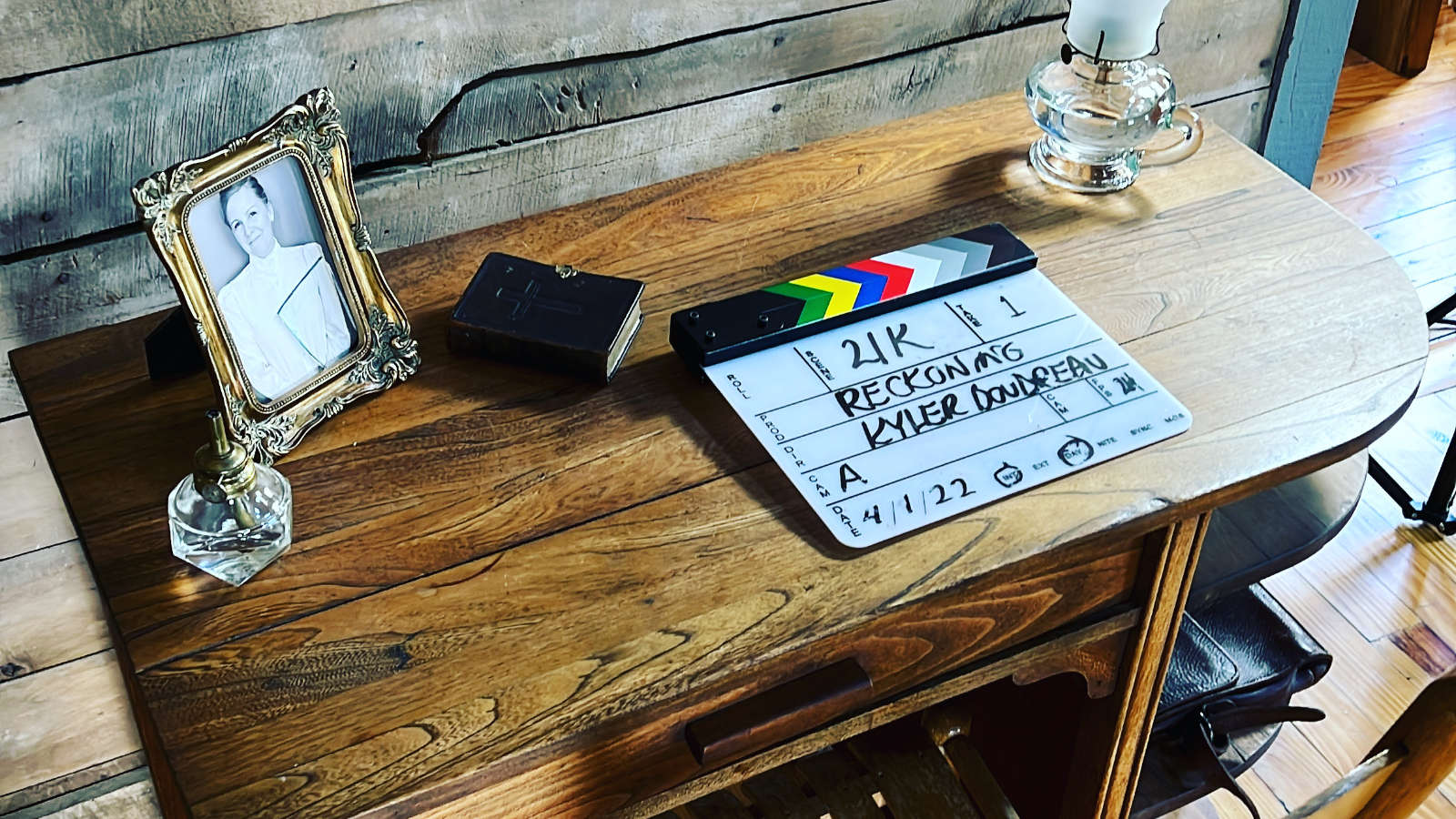
I did exactly this with our film Reckoning. We shot at free locations, used friends and family as actors, and I was the only crew member on set. And you know what? The movie got made.



 SaaS
SaaS Manage recurring bills and subscriptions
 Marketplaces
 Platform